
Automate Your Way to More Sales (This Week)
Set it up once, watch leads convert while you sleep
|
Welcome to Funnel Marketing System!
Email automation just got cheaper—but that won’t fix your conversion problem.
- 🔧 Why tool cost compression changes nothing about funnel strategy
- 📧 The real automation leverage hiding behind the pricing war
- 🎯 What bootstrapped teams should prioritize instead of features
The Real Automation Leverage You’re Missing
Email automation pricing has collapsed. Sub-$2/month platforms now offer AI segmentation, visual workflow builders, and behavioral triggers that would’ve cost $200/month three years ago. Hostinger Reach charges $1.99. Brevo starts at $8.08. Even Mailchimp dropped entry tiers to $13.
But cheaper tools won’t fix broken sequences.
The operators winning with automation aren’t shopping for the lowest price—they’re building systems that turn every captured email into a mapped journey with clear conversion milestones. They’re segmenting by behavior, not demographics. They’re testing send timing against pipeline velocity, not open rates. They’re running attribution on which automated touch actually moved the deal, not celebrating vanity metrics.
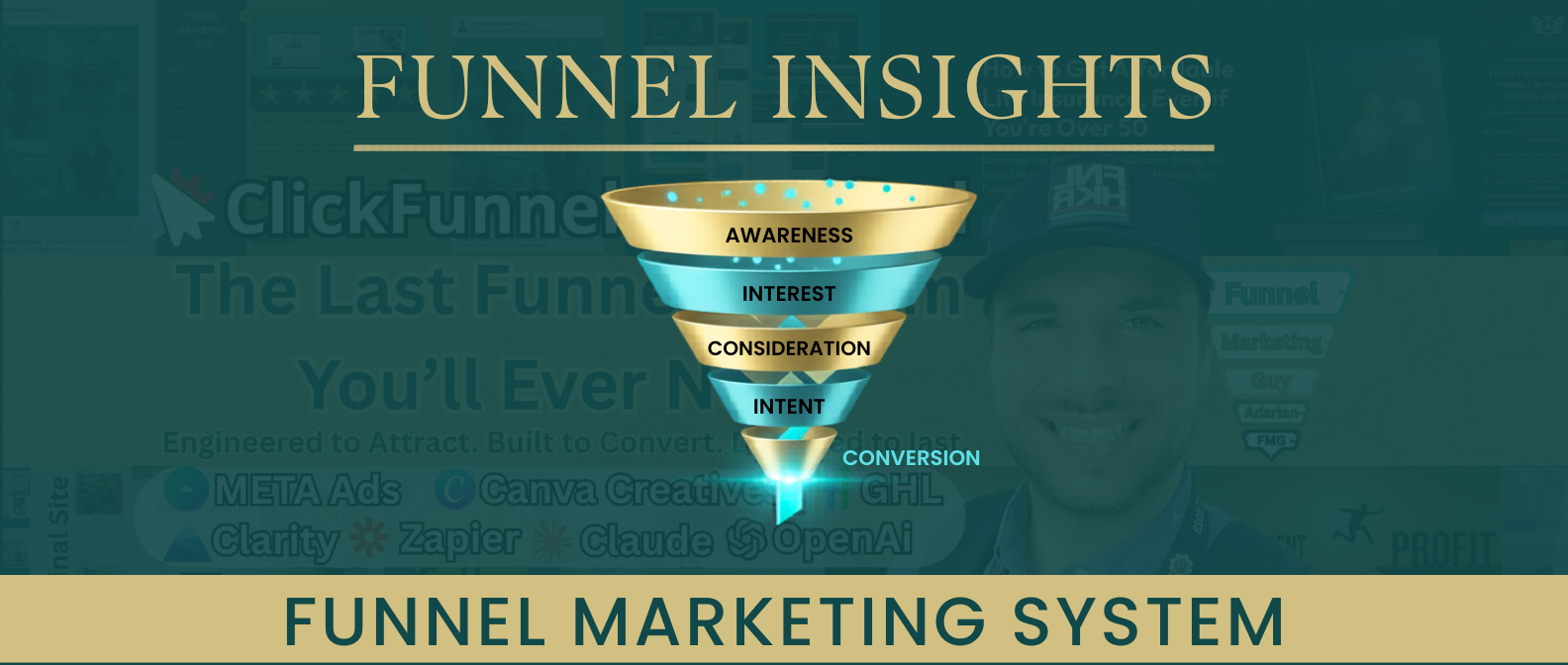
If your nurture sequences still look like broadcast newsletters with a name merge tag, you’re not doing automation—you’re doing scheduled spam at a discount. The leverage isn’t in the tool. It’s in designing workflows that match how your prospects actually move through stages: awareness, consideration, decision, retention.
Start here: Map your current funnel stages. Identify the three highest-drop-off points. Build one automated sequence per drop-off that delivers stage-specific value—a case study for consideration stage, a calculator for decision stage, a usage tip for retention. Measure conversion lift at each stage, not email opens.
The tools are now accessible. The strategy still isn’t.
🔗 Email automation for small business: Best tools and use cases (29 minute read)
Email automation pricing has hit new lows—Hostinger Reach now charges $1.99/month for AI-powered segmentation and visual workflow builders that required enterprise budgets two years ago. The article compares eight platforms including Mailchimp ($13/month), Brevo ($8.08/month), and others, breaking down feature sets for welcome sequences, abandoned cart recovery, and lead nurturing workflows. The comparison targets small businesses without dedicated marketing staff, focusing on ease of setup over strategic depth.
Key Points:
-
Hostinger Reach offers the lowest entry price at $1.99/month with AI segmentation and no-code workflow builders, positioning itself as the beginner-friendly option for teams without technical resources
-
The comparison covers eight tools across different use cases—transactional emails, e-commerce recovery, newsletter automation—but focuses on feature checklists rather than conversion optimization or attribution strategy
-
Pricing compression across the category means basic automation (welcome series, order confirmations, simple nurture) is now accessible even to bootstrapped operators, removing cost as a barrier to entry
Why it matters: Tool accessibility changes nothing about funnel strategy. The real question isn’t which $2/month platform to pick—it’s whether your sequences are designed to move prospects through defined stages with measurable conversion lift at each touch. Most teams now have access to automation infrastructure. Very few are using it to optimize journeys, test behavioral triggers, or attribute pipeline to specific automated touches. The leverage is in workflow design and stage-specific messaging, not feature count or monthly cost. If you’re still shopping on price alone, you’re solving the wrong problem.
🔗 The Automation Pricing War Hides The Real Work
Email platforms are racing to the bottom on price—$1.99/month tools now include features that cost $200/month in 2022. But cheaper access to workflow builders and AI segmentation won’t fix sequences that treat every lead the same or measure success by open rates instead of stage progression. The operators extracting value from automation are mapping funnel stages first, then building sequences that deliver stage-specific content with clear conversion goals at each touch. Tool selection is the last step, not the first. (Read more)
“The goal is to turn data into information, and information into insight.”
— Carly Fiorina, Former CEO of Hewlett-Packard
What’s the biggest bottleneck in your current email automation setup?
- A) Workflow design and segmentation strategy
- B) Attribution and conversion tracking
- C) Tool limitations or integration issues
- D) Content creation and messaging quality
Email automation infrastructure is now universally accessible—pricing compression removed cost as a barrier. But access to tools doesn’t create conversion lift. Strategic workflow design does.
If you’re still comparing platforms on feature lists instead of testing sequences against stage-specific conversion goals, you’re optimizing the wrong variable. Build the system first. Pick the tool last.
Until next time,
Funnel Marketing Systems Editor
📊 How did you like today’s email?
Enjoyed this issue?
Subscribe to get Funnel Marketing System delivered to your inbox every week.
Join 17 other subscribers • Free forever